Brown Recluse Spider at a Glance
Loxosceles reclusa
Also called: brown recluse, violin spider, fiddleback spider, fiddle-back spider
Plain brown spider with a dark violin shape and six eyes. Not established in Northern Virginia; most suspects are other spiders.
- SizeBody about 1/4 to 3/8 inch, leg span about the size of a quarter
- ColorEven tan to medium brown, darker violin mark on the front body
- BodyEight long, thin, plain legs with no bands or spines, six eyes in three pairs
- FoundRare in Northern Virginia; occasional strays arrive in boxes or furniture from other states
- SeasonNot a seasonal Northern Virginia pest; strays can turn up any time of year
- DietSmall insects, hunted at night rather than caught in an open web
The brown recluse is the spider many Northern Virginia homeowners worry about most, and it is one they are least likely to have. Its home range is the central and south-central United States. It is not established in Northern Virginia, and the rare one found here usually came in with furniture, boxes, or other goods shipped from where it does live.
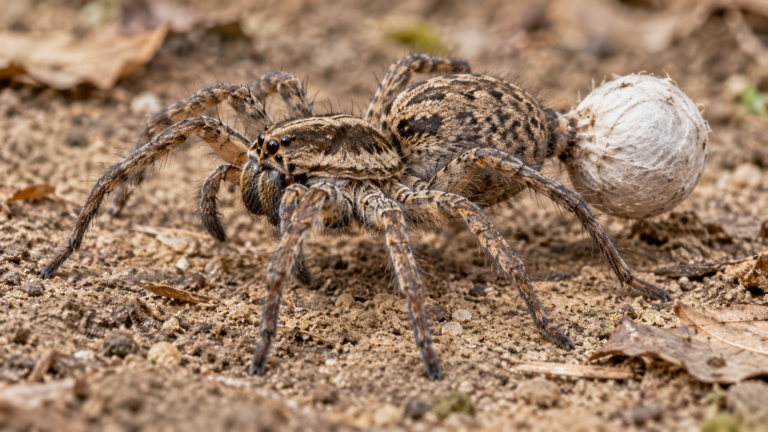
Most brown spiders reported as recluses in this area turn out to be wolf spiders, grass spiders, house spiders, or cellar spiders. A few traits, especially the eyes and the plain legs, make the real thing easy to rule out.
How to Identify a Brown Recluse Spider
- There are six eyes arranged in three pairs, one pair in front and one on each side, instead of the eight eyes most spiders have.
- A dark brown violin shape sits on top of the front body section, with the neck of the violin pointing back toward the abdomen.
- The abdomen is one even color, tan to brown, with no stripes, spots, or chevrons.
- The legs are long, thin, and a single solid color, with no bands, rings, or visible spines.
- The body is smooth with fine short hairs, not thick and hairy like a wolf spider.
- Adults are small, with the full leg span about the size of a quarter.
- It builds a small, loose, off-white web in hidden spots, never a large cobweb in the open.
Commonly Confused With
Where You Find Them in Northern Virginia
Northern Virginia sits outside the brown recluse's established range, and there are no known breeding populations here. When one is confirmed in Virginia, it is usually a single spider that traveled in moving boxes, furniture, or stored goods from states where recluses are common. In their home range, they hide in closets, attics, wall voids, cardboard boxes, and clothing or shoes left on the floor. A brown spider found in a Northern Virginia basement or garage is far more likely to be a wolf spider, grass spider, house spider, or cellar spider.
Life Cycle and Behavior
In their native range, female brown recluses lay eggs in off-white silk sacs during the warmer months, with a few dozen eggs in each sac. Young spiders grow through several molts over about a year, and adults can live a year or more, sometimes several years. They are active at night and hunt small insects near their hiding spot. Because they need a breeding group to build up, a single stray spider brought into a Northern Virginia home rarely leads to an infestation.
Health and Property Risks
Brown recluse venom can cause a skin wound that is slow to heal, and in rare cases a more serious reaction. Most bites in their home range are mild. In Northern Virginia, the actual risk is low because the spider is not established here. Many skin wounds blamed on recluse bites are caused by something else, including skin infections that need prompt medical care. Anyone with a painful, spreading, or blistering skin wound should contact a doctor and not assume it is a spider bite. If you capture a spider you think is a recluse, keep it in a sealed container so it can be identified.
Signs of Activity
- A small, plain brown spider with six eyes and a violin mark on the front body
- Spiders found inside boxes, furniture, or goods recently moved from another state
- Small, loose, off-white webs in undisturbed spots such as stored boxes
- Shed skins from a spider matching the traits above, which can suggest more than one
- Spiders caught on sticky traps placed near stored items
Prevention Tips
- Unpack and inspect boxes, furniture, and stored items that arrive from the central or southern states.
- Store belongings in sealed plastic bins instead of cardboard boxes.
- Shake out clothing, shoes, and bedding that have been stored or left on the floor.
- Keep beds away from walls and do not let bedding touch the floor.
- Place sticky traps along walls in storage areas to catch and identify spiders.
- Capture any suspect spider in a sealed container so it can be identified.
Professional Brown Recluse Spider Control
Most calls about brown recluses in Northern Virginia end with good news, so our first step is identification. Our technician inspects the area where the spider was found, examines the spider or photos to confirm the species, and looks for the brown spiders that are commonly mistaken for recluses. If a true recluse is found, our spider control service looks for the source, such as recently moved items, and applies targeted treatment and sticky monitors in the areas where it could hide. We follow up to confirm there is no ongoing activity.
Brown Recluse Spider FAQs
Brown recluses are not established in Northern Virginia. Their home range is the central and south-central United States. The occasional one found in Virginia almost always hitched a ride in furniture, boxes, or goods from those states. Most brown spiders that people suspect are recluses turn out to be wolf spiders, grass spiders, house spiders, or cellar spiders.
Check three things. A brown recluse has six eyes in three pairs, while most spiders have eight. Its legs are plain, with no bands, stripes, or spines. Its abdomen is one even color with no pattern. A violin shape on the front body is common in other spiders too, so do not rely on that mark alone.
A recluse bite may start as a small red spot that becomes painful, and in some cases forms a blister or sore that heals slowly. Many wounds blamed on spiders are actually skin infections, which need fast treatment. Do not try to diagnose a wound yourself. Anyone with a painful, spreading, or worsening skin wound should contact a doctor.
Trap it under a cup or jar, slide paper underneath, and seal it in a container. Avoid crushing it if you can, because an intact spider is easier to identify. Note where you found it and whether any items were recently moved in from another state. Then have the spider identified before treating the home.