Virginia Pest Identification Library
Match what you found to a photo, learn how to tell it apart from its look-alikes, and see what it means for your home. 47 pests found in and around Northern Virginia homes, all in one place.
 CockroachesModerate riskAmerican CockroachPeriplaneta americanaThe largest house roach, about 1.5 to 2 inches, reddish brown with a pale yellow band ringing the shield behind its head.View ID guide
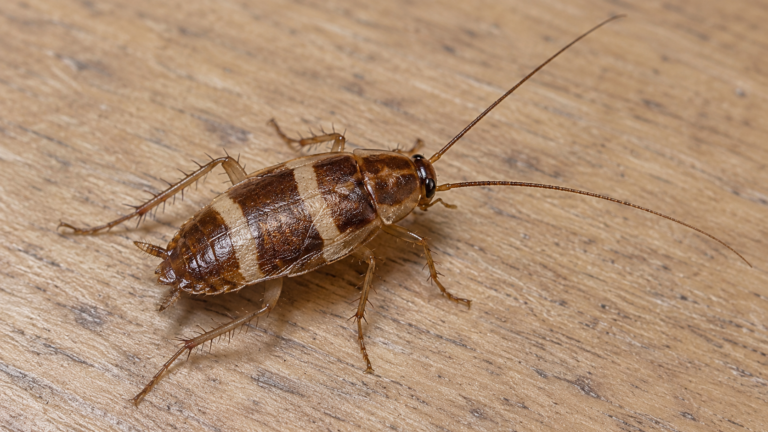 CockroachesModerate riskBrown-Banded CockroachSupella longipalpaSmall roach about 1/2 inch long with two pale bands across its back, hiding high up in warm, dry rooms.View ID guide

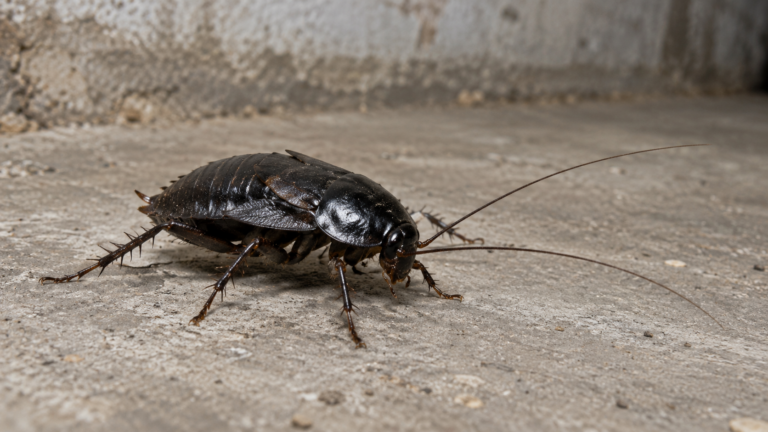 CockroachesModerate riskOriental CockroachBlatta orientalisShiny black, about an inch long, slow, and found in damp basements and drains. Its short wings mean it cannot fly.View ID guide
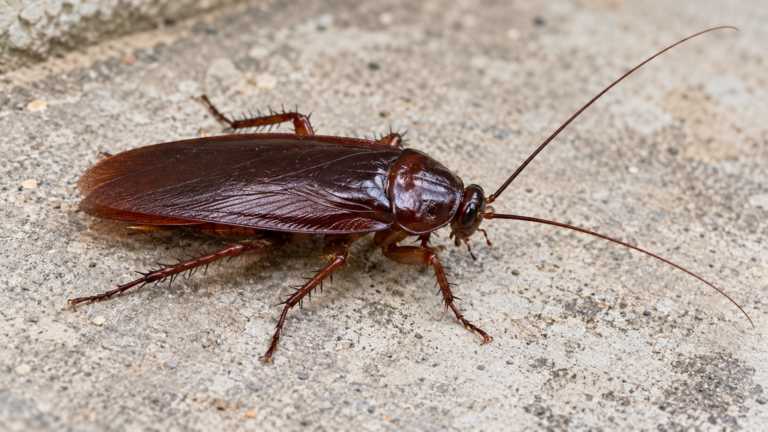 CockroachesModerate riskSmokybrown CockroachPeriplaneta fuliginosaLarge outdoor roach, about 1 1/4 inches, solid shiny mahogany brown with no markings. Strong flier drawn to lights.View ID guide
 CockroachesLow riskWood CockroachParcoblatta pennsylvanicaChestnut brown outdoor roach with pale cream edges on its shield and wings. Males fly to porch lights in late spring.View ID guide
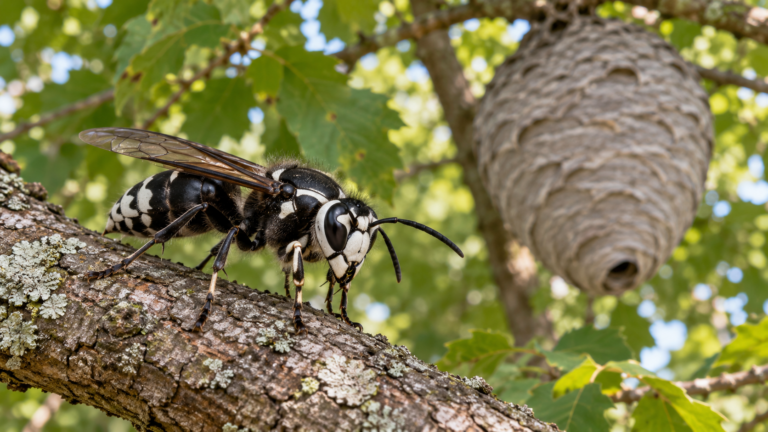 Stinging InsectsHigh riskBald-Faced HornetDolichovespula maculataBlack and ivory-white wasp with a white face that builds a large gray, football-shaped paper nest in trees.View ID guide
 Stinging InsectsModerate riskCarpenter BeeXylocopa virginicaLarge bee like a bumble bee but with a shiny, bare black abdomen that drills perfectly round holes in wood.View ID guide
 Stinging InsectsLow riskCicada Killer WaspSphecius speciosusHuge 1 1/2 to 2 inch solitary wasp with rusty wings that digs burrows with U-shaped dirt mounds in midsummer.View ID guide
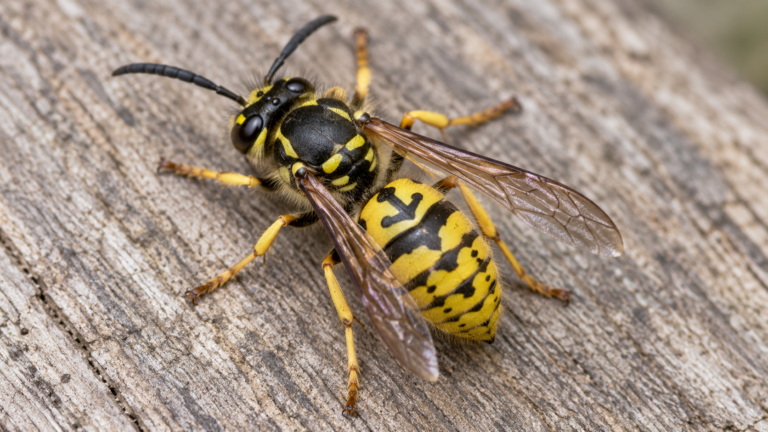 Stinging InsectsHigh riskEastern YellowjacketVespula maculifronsShort, stocky black and yellow wasp that nests underground and has a black anchor mark on the first abdomen segment.View ID guide
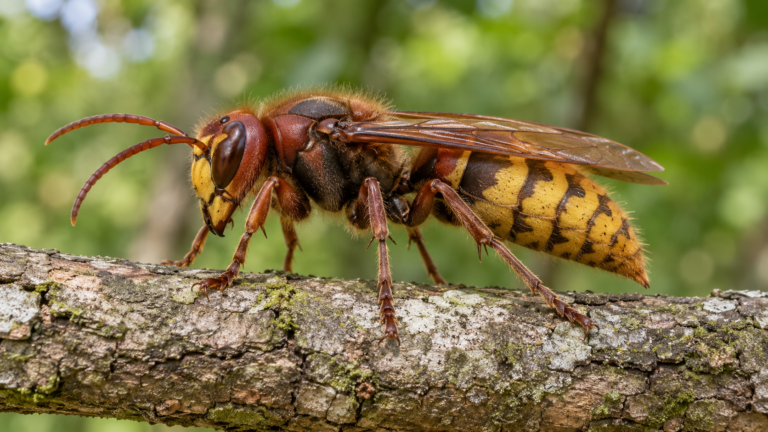 Stinging InsectsModerate riskEuropean HornetVespa crabroLarge brown and yellow hornet, often over an inch long, that flies at night and bumps into lit windows and porch lights.View ID guide
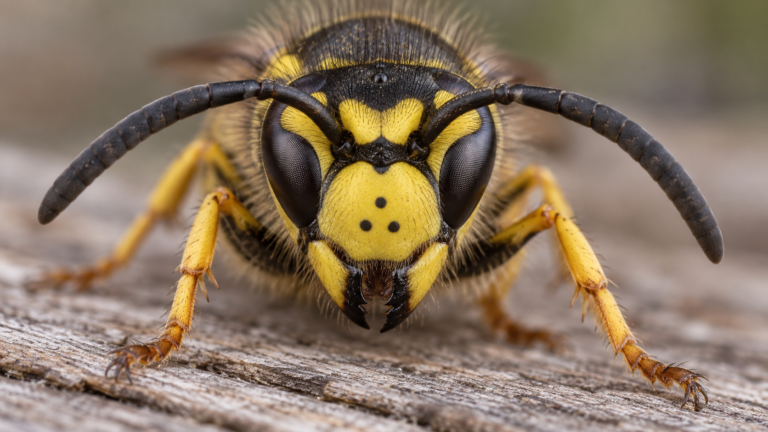 Stinging InsectsHigh riskGerman YellowjacketVespula germanicaBlack and yellow yellowjacket with three tiny black dots on the face that often nests inside walls and attics.View ID guide
 Stinging InsectsLow riskMud DauberSeveral speciesSolitary wasp with a long, thread-thin waist that builds tubes or lumps of dried mud on walls, eaves, and ceilings.View ID guide
 Stinging InsectsModerate riskPaper WaspPolistes speciesSlender wasp with long dangling legs that builds an open, umbrella-shaped comb under eaves and railings.View ID guide

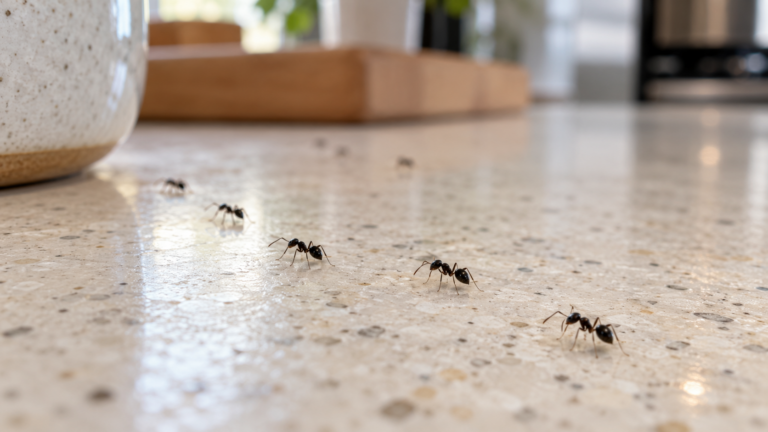
 AntsLow riskOdorous House AntTapinoma sessileTiny brown to black ant that smells like rotten coconut when crushed. A common sugar ant in Virginia kitchens.View ID guide
 AntsLow riskPavement AntTetramorium immigransSmall dark brown ant that nests under slabs and sidewalks. Look for little piles of sand pushed up from cracks.View ID guide

 TermitesHigh riskEastern Subterranean TermiteReticulitermes flavipesMost common termite in Virginia. Pale workers stay hidden, while dark swarmers with equal-length wings appear in spring.View ID guide

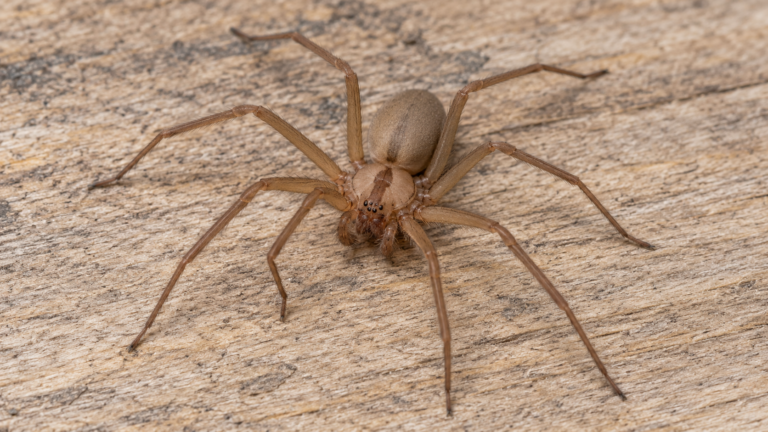 SpidersLow riskBrown Recluse SpiderLoxosceles reclusaPlain brown spider with a dark violin shape and six eyes. Not established in Northern Virginia; most suspects are other spiders.View ID guide


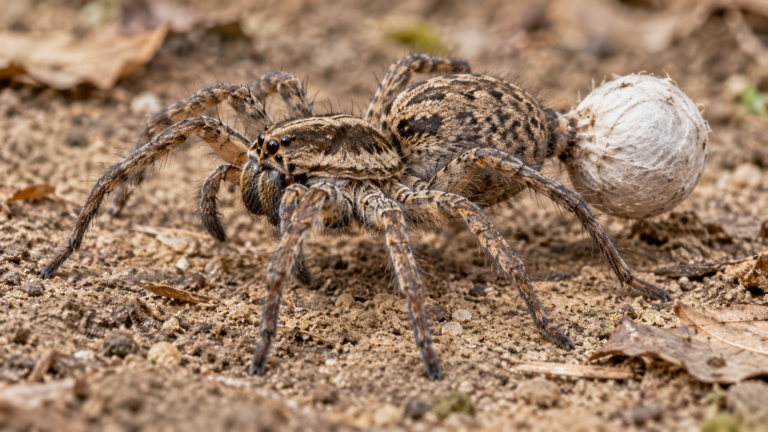 SpidersLow riskWolf SpiderSeveral species (family Lycosidae)Large, hairy brown or gray spider with striped markings that runs fast on the ground and builds no web.View ID guide
 RodentsHigh riskDeer MousePeromyscus maniculatusBrown mouse with a bright white belly and feet, big dark eyes, and a two-tone furred tail. Moves into sheds and cabins.View ID guide
 RodentsHigh riskHouse MouseMus musculusSmall gray-brown mouse with big ears and a long, nearly hairless tail. Leaves rice-sized droppings in drawers and cabinets.View ID guide
 RodentsHigh riskNorway RatRattus norvegicusLarge, heavy brown rat with a blunt nose, small ears, and a tail shorter than its body. Digs burrows by foundations.View ID guide
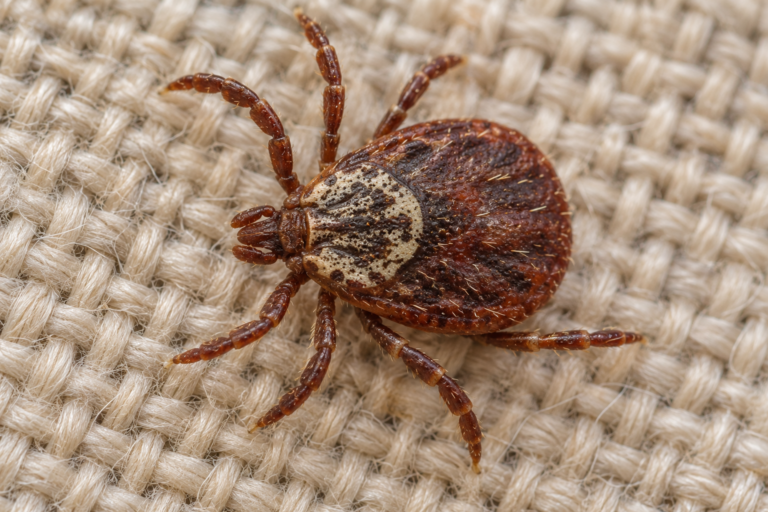 Mosquitoes and TicksModerate riskAmerican Dog TickDermacentor variabilisA larger brown tick with gray to white mottled markings on its shield, often found on dogs and people in grassy areas.View ID guide
 Mosquitoes and TicksModerate riskAsian Tiger MosquitoAedes albopictusA small black mosquito with bright white leg bands and one white stripe down its back that bites during the day.View ID guide
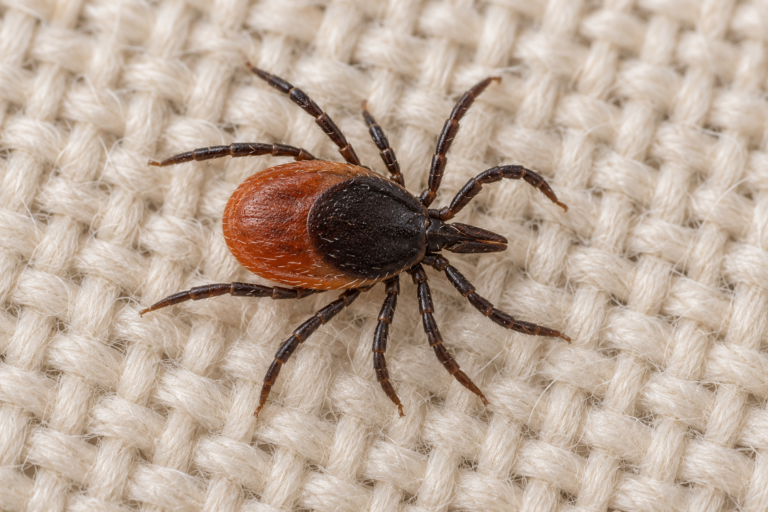 Mosquitoes and TicksHigh riskBlacklegged Tick (Deer Tick)Ixodes scapularisA tiny tick with dark legs, and on females an orange-red body behind a black shield. It is the tick that spreads Lyme disease.View ID guide
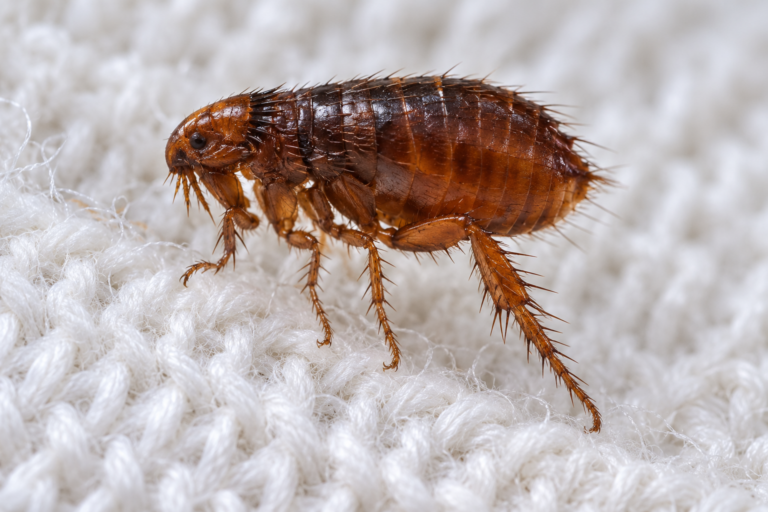 Mosquitoes and TicksModerate riskCat FleaCtenocephalides felisA tiny reddish-brown, wingless insect that jumps. It is the flea found on most cats and dogs and leaves bites on ankles.View ID guide
 Mosquitoes and TicksHigh riskLone Star TickAmblyomma americanumA reddish-brown tick, very common in Virginia. Adult females have a single white dot on the back. Linked to alpha-gal syndrome.View ID guide
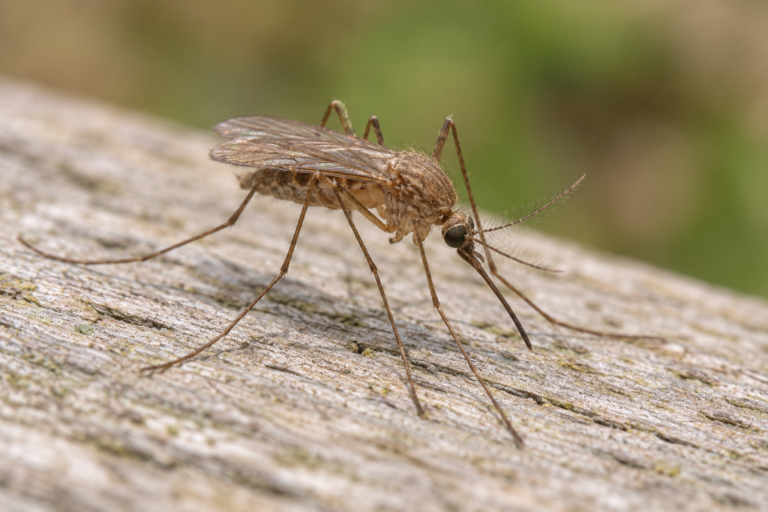 Mosquitoes and TicksHigh riskNorthern House MosquitoCulex pipiensA plain brown mosquito that bites from dusk into the night and is the main carrier of West Nile virus in Virginia.View ID guide

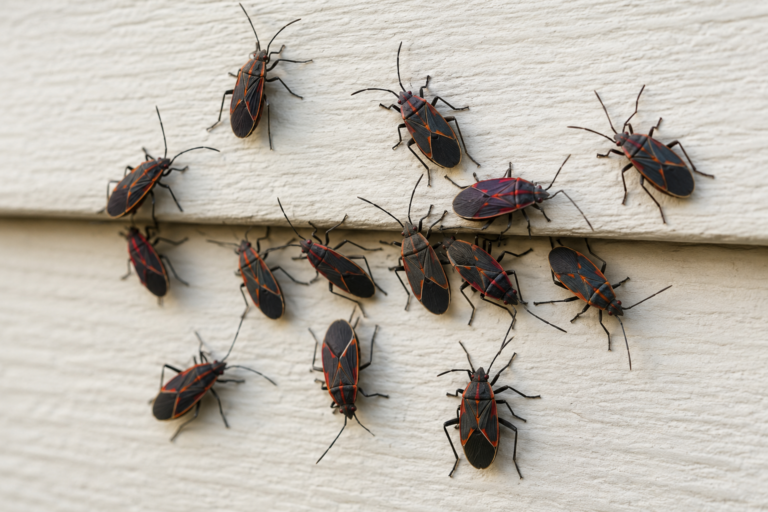 Occasional InvadersLow riskBoxelder BugBoisea trivittataA black, flat bug about 1/2 inch long with red-orange lines on its back that clusters on sunny walls in fall.View ID guide

 Occasional InvadersLow riskCamel CricketSeveral species (family Rhaphidophoridae), mainly Diestrammena asynamoraA humpbacked, wingless, tan cricket with huge hind legs and long antennae that jumps toward you in basements and garages.View ID guide
 Occasional InvadersLow riskClover MiteBryobia praetiosaA pinhead-sized red mite with extra-long front legs that crowds sunny windows and leaves a red smear when crushed.View ID guide
 Occasional InvadersLow riskEarwigForficula auriculariaA slim, reddish-brown insect about 5/8 inch long with a pair of pincers on its tail end that hides in damp mulch.View ID guide

 Occasional InvadersLow riskMillipedeSeveral species (class Diplopoda)A slow, round-bodied, many-legged crawler with two pairs of legs per segment that curls into a tight coil when touched.View ID guide


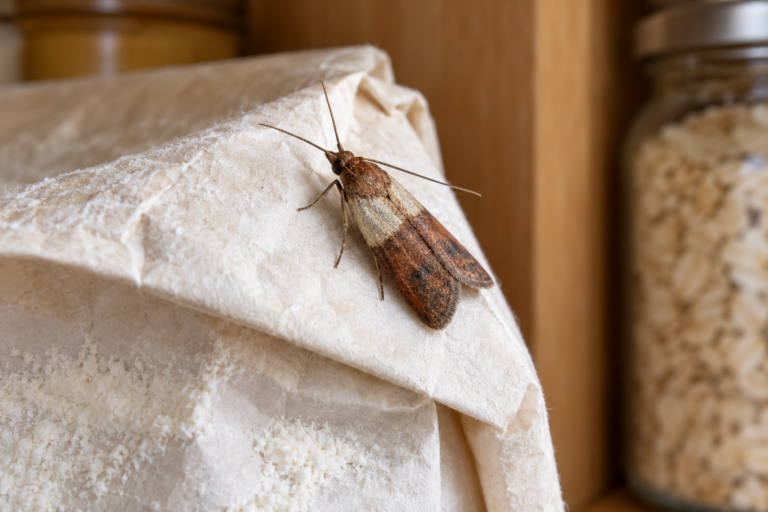 Fabric and Pantry PestsLow riskIndian Meal MothPlodia interpunctellaSmall pantry moth with two-toned wings, pale near the body and coppery at the tips, whose larvae web up dry food.View ID guide
No match yet
Try fewer words, a different category, or describe the color and size. Still stuck? Send us a photo and we will help identify it.
Send Us a PhotoThe look-alikes we sort out most
Many pests in Northern Virginia have a close double. Telling them apart is the first step, because the right treatment depends on the species. Start with the groups below, or read our guide to the most common local pests.
Which roach is it?
Wood, oriental, and German roaches are the three Northern Virginia homeowners run into most, and each one calls for a different plan.
Wasp, yellowjacket, or hornet?
Nest type and markings tell these apart fast. Paper combs, ground holes, and gray footballs in trees each point to a different insect.
Termites or flying ants?
Spring swarmers scare a lot of people. Wing length, waist shape, and antennae settle it in seconds.
Send us a photo and we will identify it
A clear picture tells our team a lot. Use the form to send your details and a photo, and we will tell you what the pest is and whether it needs treatment.
- 1Snap a close photo in good light, next to a coin or ruler if you can.
- 2Tell us where you found it and how many you have seen.
- 3We identify the pest and recommend next steps, from a simple fix to general pest control.
Pest library questions
Type what you saw into the search box, such as black roach, red bugs on windows, or bug with pincers, or pick a category and the place you found it. Each card links to a full guide with size, color, look-alikes, signs, and prevention steps.
Send us a clear photo through the form on this page, along with where you found it. Our team will help identify it and tell you whether it needs treatment. You can also call (571) 427-0491.
Ants, cockroaches, stink bugs, spiders, mice, mosquitoes, and ticks are among the most common, along with seasonal invaders like boxelder bugs and Asian lady beetles in fall. Termites are a year-round concern for most homes in the region.