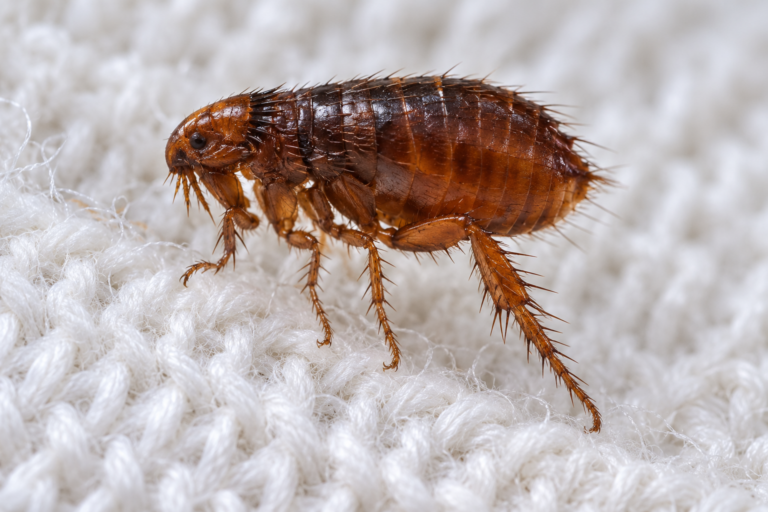
Bed Bug at a Glance
Cimex lectularius
Also called: bedbug, bed bugs, common bed bug, bed mites
Flat, oval, reddish brown insect the size of an apple seed that hides in mattress seams and bites at night.
- SizeAdults about 3/16 inch, the size of an apple seed
- ColorReddish brown, redder and swollen after feeding, nymphs pale tan
- BodySix legs, short antennae, no wings, flat oval body
- FoundMattress seams, box springs, bed frames, headboards, couches
- SeasonYear round indoors
- DietBlood from people, sometimes pets
Bed bugs are small, flat insects that hide near where people sleep and feed on blood at night. They travel on luggage, used furniture, and clothing, and they show up in clean homes as often as cluttered ones.
Many people find bites before they find bugs, and bites alone cannot confirm bed bugs. Knowing what the insect, its eggs, and its stains look like is the surest way to know what you are dealing with.
How to Identify a Bed Bug
- Adults are about 3/16 inch long, roughly the size and shape of an apple seed.
- Unfed adults are flat and oval, and reddish brown.
- After feeding, they swell, get longer, and turn a deeper red.
- They have no wings, cannot fly, and do not jump.
- Nymphs are smaller and pale tan to almost clear until they feed, when a red spot of blood shows inside.
- Eggs are pearly white, about 1 mm long, and stuck in cracks and seams.
- They hide in seams, folds, and cracks within a few feet of where people sleep or sit.
Commonly Confused With
Where You Find Them in Northern Virginia
Bed bugs live indoors in Northern Virginia homes, apartments, hotels, dorms, and anywhere people sleep or sit for long periods. They hide in mattress seams and tags, box spring frames, headboards, bed frame joints, nightstands, couch cushions, and behind outlet covers and baseboards near beds. They spread by hitching rides in luggage, backpacks, used furniture, and moving boxes, and they can move between units in multi-family buildings.
Life Cycle and Behavior
Female bed bugs lay a few eggs a day in cracks near their hiding spots. Eggs hatch in about a week or two, and nymphs go through five molts, needing a blood meal before each one. In a warm home they can go from egg to adult in about a month or two. Adults can survive long periods without feeding, which is why they can wait in empty rooms or furniture. They breed year round indoors.
Health and Property Risks
Bed bugs are not known to spread disease. Their bites can cause itchy red welts, often in lines or clusters, though some people show no reaction at all. Scratching can lead to skin infections. Many people also lose sleep and feel anxious during an infestation. If you have a strong reaction to bites or signs of infection, contact a doctor.
Signs of Activity
- Rusty or reddish stains on sheets and mattresses from crushed bugs
- Small dark spots, like marker dots, on mattress seams, box springs, and headboards
- Pale shed skins and tiny white eggs in seams and cracks
- Itchy bites in lines or clusters, often on arms, neck, and shoulders
- Live bugs in mattress seams, bed frame joints, or couch cushions
- A sweet, musty odor in rooms with heavy activity
Prevention Tips
- Check hotel beds and headboards before unpacking, and keep luggage on a rack or in the bathroom.
- Wash and dry travel clothes on high heat when you get home.
- Inspect used furniture, mattresses, and electronics closely before bringing them inside, or skip them.
- Use zippered encasements on mattresses and box springs to remove hiding places and make inspection easier.
- Cut clutter around beds and couches, especially piles of clothes on the floor.
- Vacuum around beds often and empty the vacuum outside in a sealed bag.
Professional Bed Bug Control
SPRK starts with a detailed inspection of beds, furniture, and nearby cracks to confirm bed bugs and see how far they have spread. We give you a clear prep list, since laundry and decluttering make treatment work better. Treatment is targeted to the hiding spots we find, using products and methods chosen for bed bugs and applied carefully in sleeping areas. We check adjoining rooms when needed and schedule follow-up inspections and treatments, because eggs can hatch after the first visit. Read more on our bed bug control service page.
Bed Bug FAQs
Bites are often small, red, itchy bumps in a line or cluster, usually on skin exposed during sleep like the arms, neck, and shoulders. They look a lot like mosquito or flea bites, and some people do not react at all. Bites alone cannot confirm bed bugs, so look for the bugs, stains, and shed skins. See a doctor for strong reactions.
Yes. Adults are about the size of an apple seed and easy to see if you know where to look. Nymphs and eggs are smaller and paler, so a flashlight helps. Check mattress seams, tags, box spring corners, headboard joints, and couch cushions for live bugs, dark spots, and shed skins.
Bed bugs hitchhike. They come home in luggage after travel, in used furniture or mattresses, on clothing, and in moving boxes. In apartments and townhomes they can also move through walls from a neighboring unit. They have nothing to do with how clean a home is, since they only need people to feed on.
Small, early cases can sometimes be slowed with encasements, laundering, and vacuuming, but bed bugs hide in tiny cracks and their eggs survive many store sprays. Foggers usually scatter them into new rooms. Most homes need a professional inspection, targeted treatment, and follow-up visits to fully clear them.